IQ 11: Inklings Project Fellowship for 6-12 Teachers, AY25-26 Fellows Gathering, & a Fellow’s Detective Work
Inklings Quarterly
June 25, 2026
Call for Proposals
Inklings Project Fellowship for 6-12 Teachers
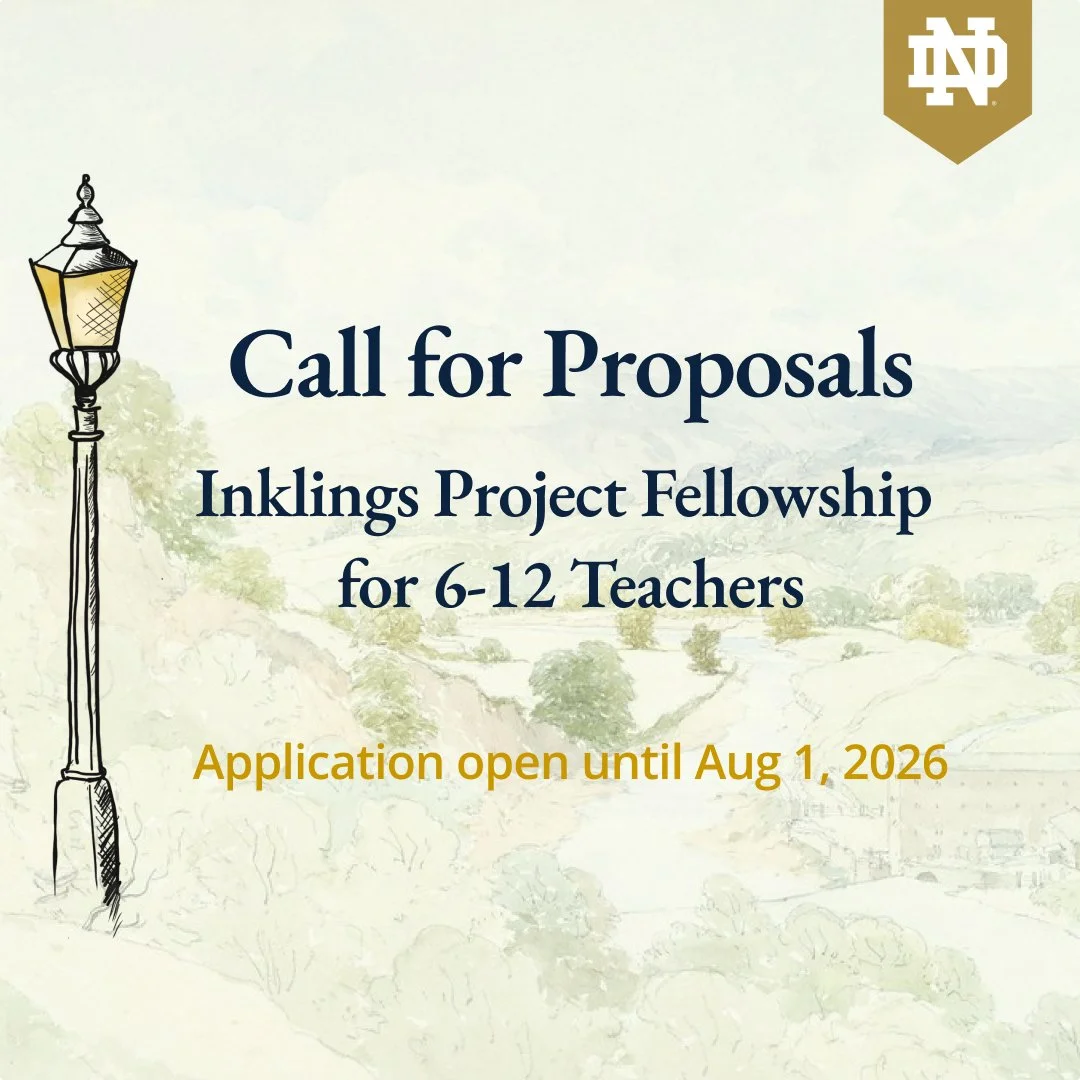
For the first time in its history, the Inklings Project is opening its fellowship to middle school and high school educators. Previous cohorts have drawn from college and university faculty; this new two-year cohort, beginning in Fall 2026, will be made up of those who educate in grades 6–12. Middle and high school is when many readers first encounter C. S. Lewis and J. R. R. Tolkien—and where an educator’s love for these authors can ripple outward to students, parents, and an entire school community.
Applications are due August 1, 2026.
View the Call for Proposals or visit inklingsproject.org/apply for more information on the fellowship and for application requirements.
AY25-26 Fellows Gathering
A Gathering Fit for Hobbits
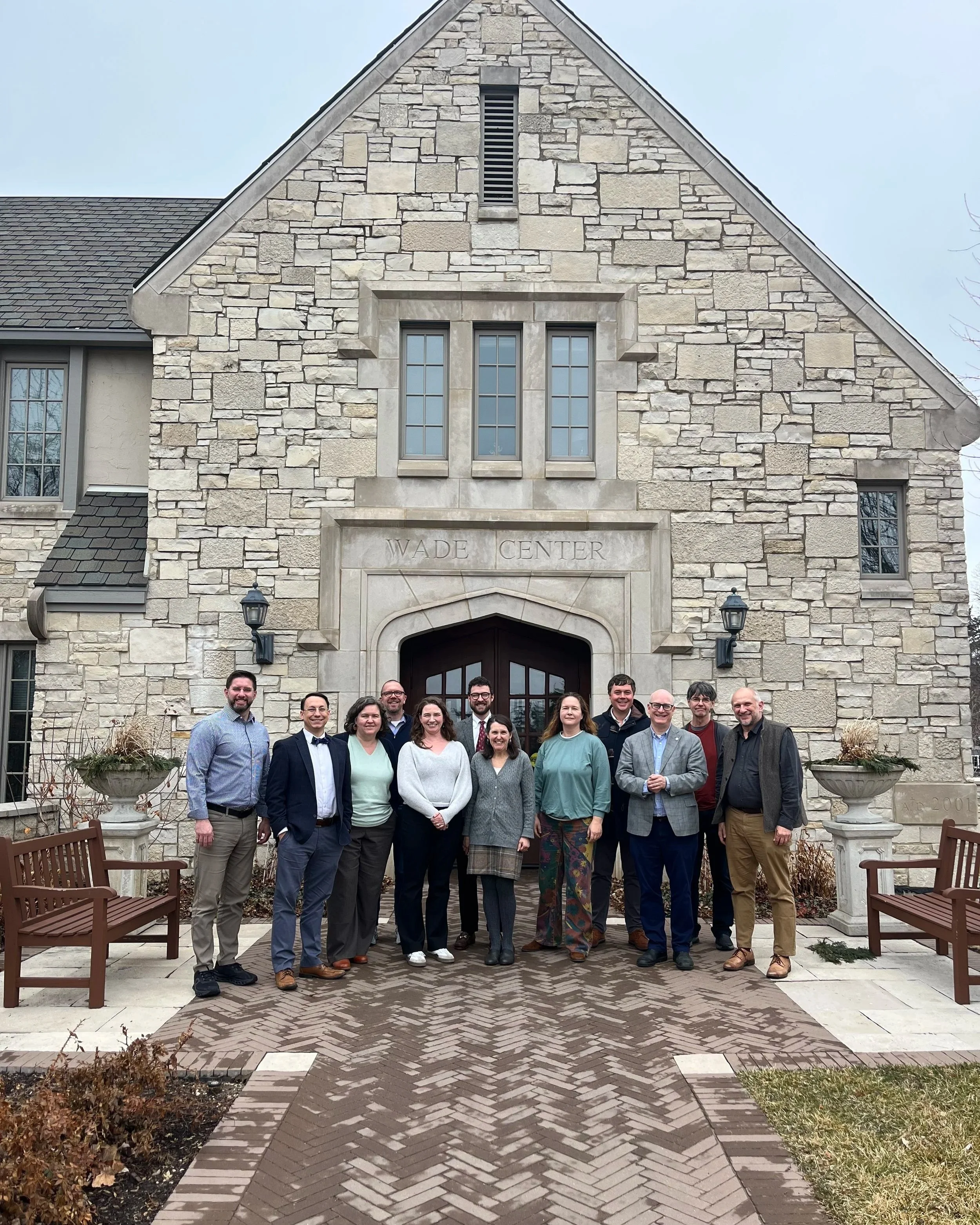
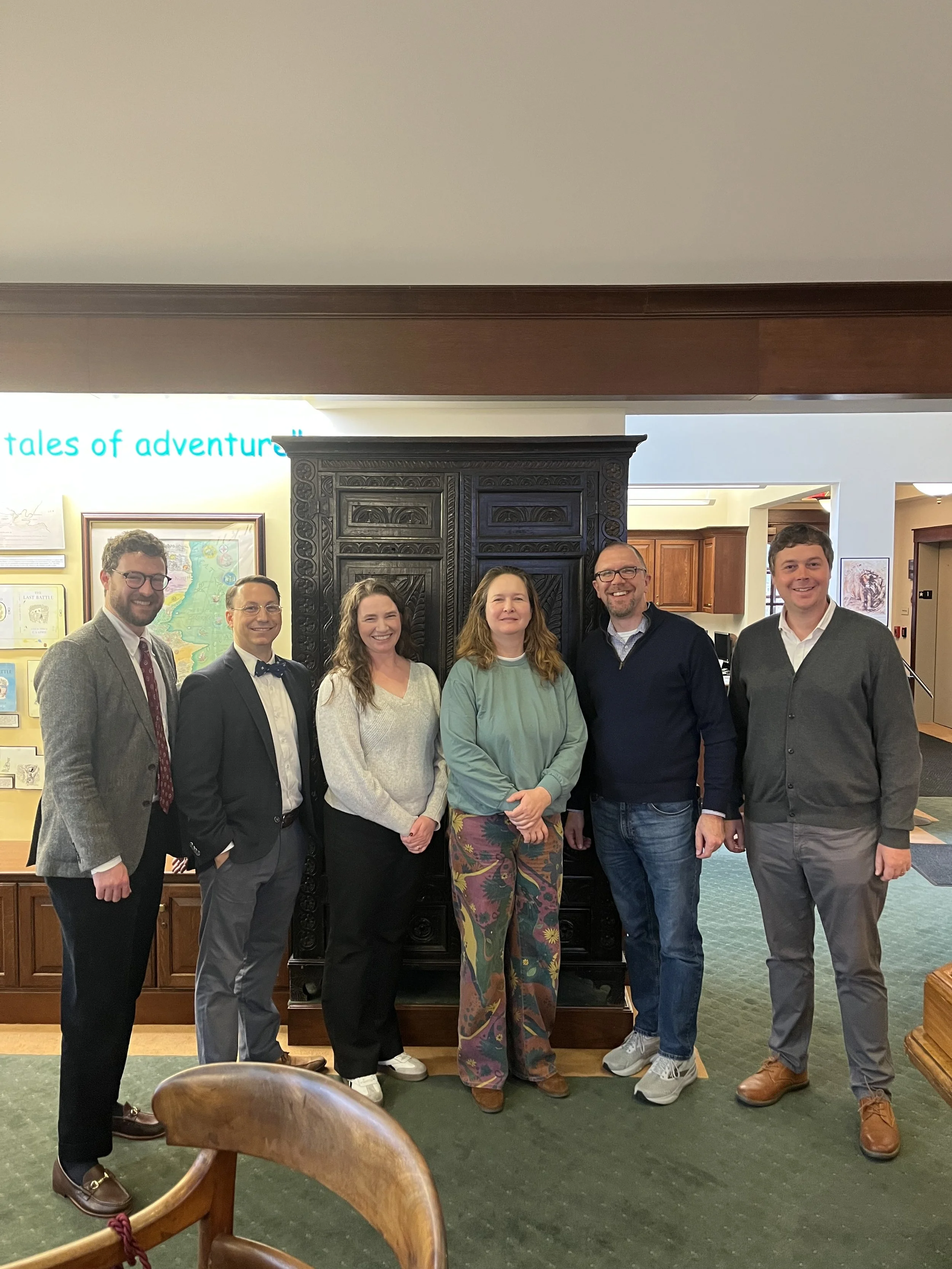
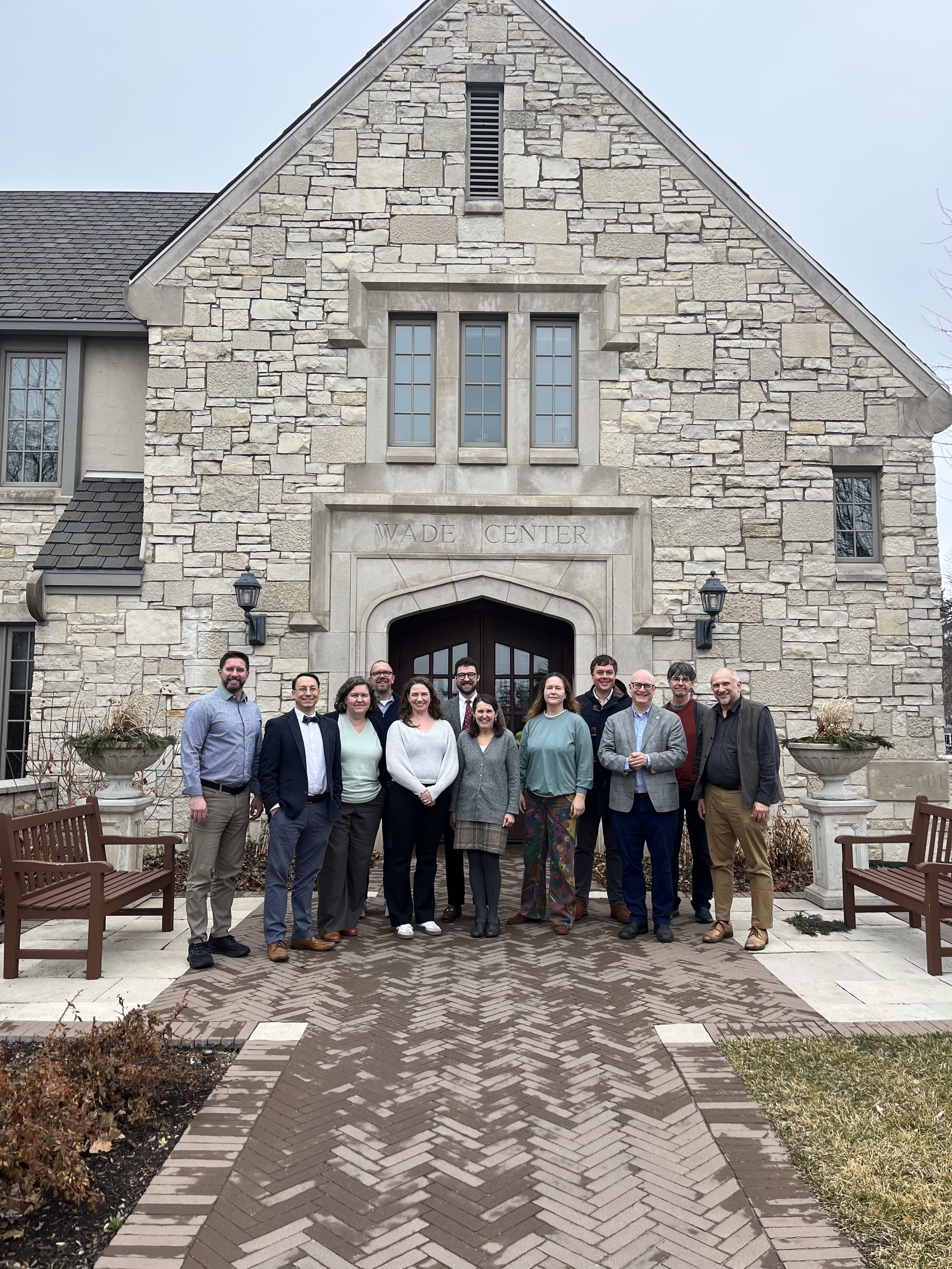
The highlight of each Inklings Project Fellowship is the in-person Fellows Gathering. After months of meetings via Zoom and communication via email, the fellows gather for a couple of days together at the Wade Center. In this place—positively brimming with physical reminders of the Inklings authors and their lives, works, and creative processes—this small cohort of college and university faculty gather from all over the world to research together, discuss together, and break bread (and drink lots of coffee and tea) together.
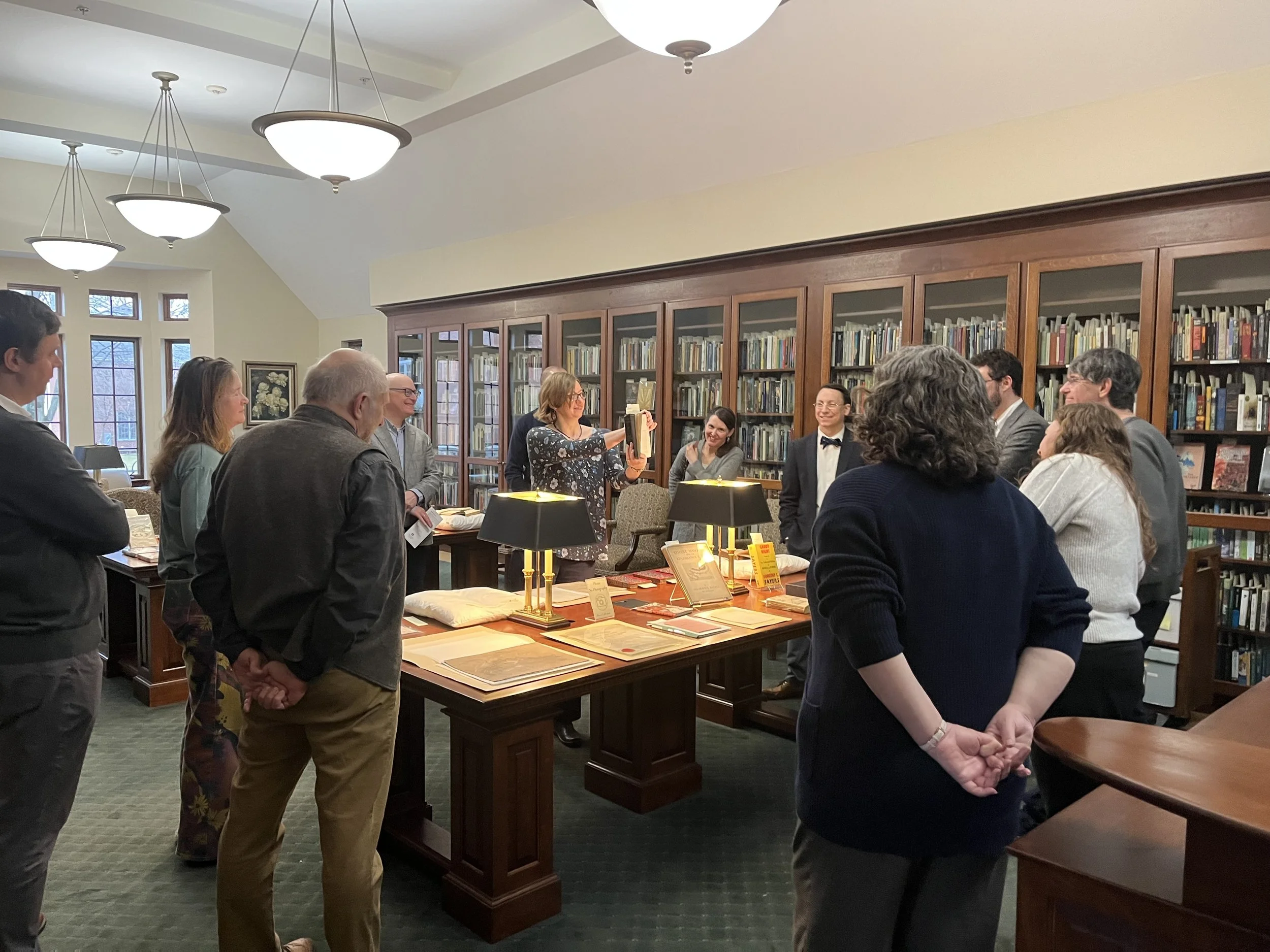
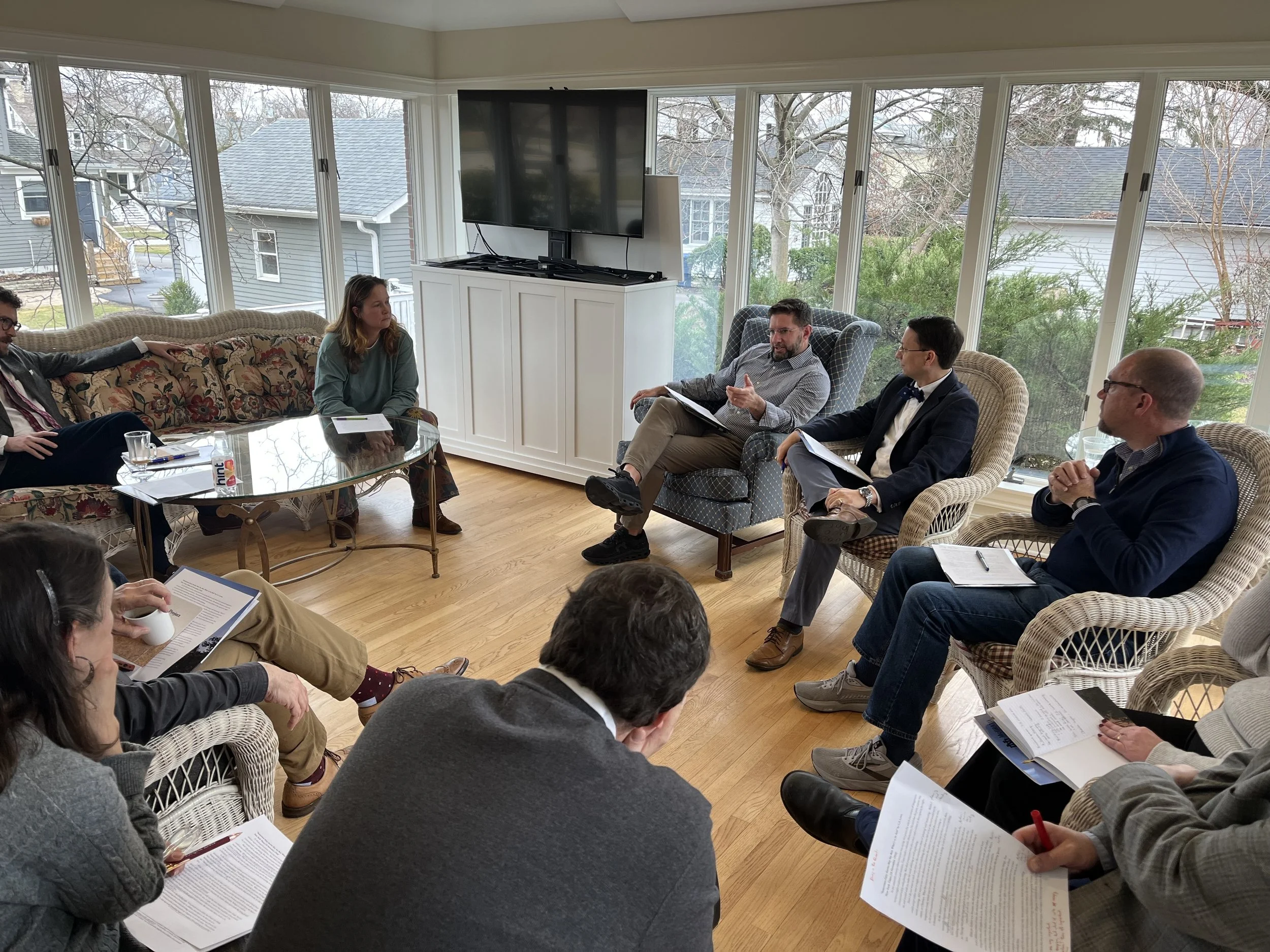
The gathering begins with a day dedicated to researching in the Kilby Reading Room, where fellows are able to burrow into books that belonged to the Inklings, which are filled with C. S. Lewis’s neat annotations, G. K. Chesterton’s hilarious doodles, and J. R. R. Tolkien’s beautiful script; to view the authors’ original hand-written manuscripts, which are filled with traces of their creative processes and versions of stories that were never published; and to read letters written to and from the Inklings, which show the care and love these authors had for those who read their books. The day of research ends with a welcome dinner and discussion at the Harbor House across the street from the Wade Center, a lovely and “homely house” complete with cushioned sofas, a large kitchen, a dining room, and a sunroom—a perfect place to read, eat, and discuss together.
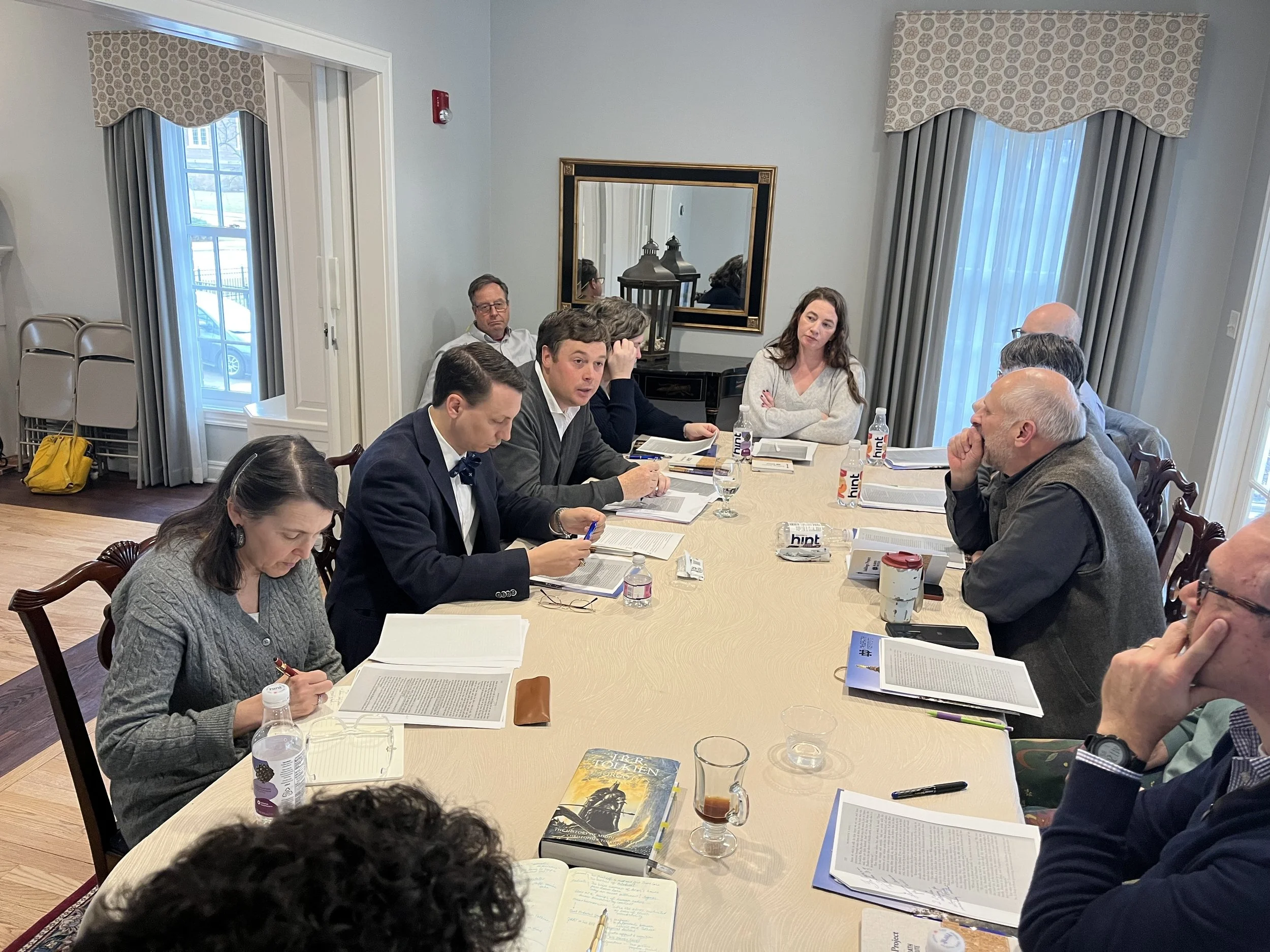
The second day the fellows gather at the Harbor House for just that: reading, eating, and discussing. The morning begins with breakfast and a discussion about content and pedagogy as it relates to the Inklings courses the fellows are creating. Then, coffee and tea and chatting. Next, a walk across the street for a tour of the Wade Center museum and “treats” from the Reading Room (hand-picked must-see items by the Wade Center’s wonderful archivist Laura Stanifer). Then, coffee and tea and chatting. Next, back to the Harbor House for a seminar discussion lead by a fellow on a work by Tolkien. Then, coffee and tea and chatting. Next, a seminar discussion led by a fellow on a work by Lewis. Then, lunch. The formal programming ends with a session on how to engage our campuses and broader communities in the works of the Inklings. After this day, the fellows part ways (or grab a pint from a local pub) before returning to their own colleges and universities, hopefully filled with more energy and hope than when they first arrived.
From Our Fellows
A Curious Pair: Speculations About Charles Williams’ “Association Copies”
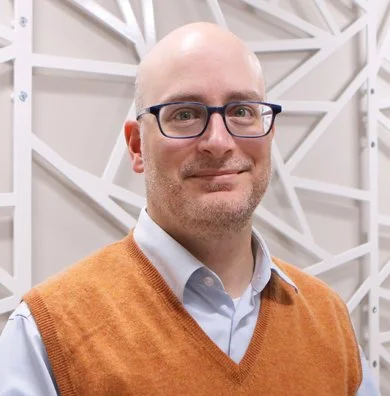
Nicholas P. Greco, Ph.D. | AY25-26 Fellow
Professor of Communications and Media, Providence University College and Theological Seminary
As I began preparing the outline for a proposed course I am planning (with my colleague Dr. Michael Gilmour) on Inkling Charles Williams, I also began to search online for a signed copy of one of his books. As one of the less popular (and somewhat peculiar) Inklings, his books are not easily found, and a signed copy is even more elusive. However, I was glad to find a pair of books from the same seller, and at prices that were accessible. This was the beginning of a journey to know more about Charles Williams and his circle, and what might have been behind what are known as “Association Copies,” that is, books that are inscribed to particular people rather than simply autographed.
The two books I was able to purchase were first editions of Williams’ poetry volumes Taliessin Through Logres (from 1938) and The Region of the Summer Stars (from 1944). The Taliessin volume contains an inscription without any attribution. It states:
“As from the companionship of years, and without (as I remember) a single friction, and in a gratitude for it. Charles Williams January 1939.”
Putting aside the strange construction of the inscription (which I think points to its authenticity!), there are some notable words here that are important to consider in relation to Williams. The first word is “companionship,” which is evocative of Williams’ informal religious “order,” the Companions of the Co-inherence. These “companions” were dedicated to “substitution” or “exchange,” the act of taking another’s burdens upon oneself, a very literal reading of Galatians 6:2. The other interesting phrase is “without … a single friction,” especially over “years.” It seems that Williams had many frictions with those in his professional circles, like those he worked with at Oxford University Press (these work colleagues would appropriately be colleagues over “years”). So, the receiver of the inscription did not experience any “friction” with Williams, at least inasmuch as Williams recalls!
The Summer Stars volume contains another inscription, also without any attribution. It states:
“from C.W. Oct. 1944 in the recollection of Byzantium.”
Again, there is a notable word here: Byzantium. In Williams’ Arthurian poetry, Byzantium represents the ideal spiritual “centre,” often attributed to the Oxford University Press offices in London, where Williams spent years. In fact, the dedication of Taliessin names Humphrey Milford, the editor at OUP in London, “under whom we observed an appearance of Byzantium.”
An important point also is that the two volumes had been purchased in the mid-1990s from UK bookseller Aidan Mackey, and the books have the same “inventory code” (from Mackey) on the endpapers, which suggests that they are, indeed, a pair (both coming from the same place). But who would these inscriptions be for? In order to find out, I reached out to Grevel Lindop, the preeminent biographer of Williams (author of Charles Williams: The Third Inkling, published by Oxford University Press in 2015), who in turn reached out to fellow Williams scholars Stephen Barber and Sørina Higgins. Lindop and Barber thought that the inscription might indicate an Oxford University Press male colleague like Fred Page, but probably not Raymond Hunt, Alice Mary Hadfield, Anne Ridler, or any other member of Williams’ inner circle.
However, upon visiting the Wade Center’s collection of letters to Charles Williams (as part of the Inklings Project Fellowship), I came across the following letter from Raymond Hunt to Charles Williams dated October 31, 1944:
“This is very very kind of you & a great pleasure & honour to me. I am sure you won’t mind my thanking you for the inscription, however right or wrong may be my brandings on it. One’s general delight in handling the book seems magically to absolve Mr. T. from any carelessness: patience and the admirable centre of all moments—& so forth: odd as that sounds coming from me!” (Charles Williams Papers, Folder 339, [pp9-10,] Marion E. Wade Center, Wheaton College, Wheaton, IL.)
In the letter, we see Hunt acknowledge an inscription and express some misgivings about whether it fits him (which is perhaps a sign of his humility). He then mentions that he is delighted to hold the book, which absolves a “Mr. T.” from any “carelessness.” I first thought that Hunt was perhaps blaming Taliessin, the “author” of the verse in Summer Stars for “carelessness,” rather than blaming Williams for bad poetry! However, Lindop suggests that the “Mr. T.” here could refer to Meary Tambimuttu (1915-1983), the editor of Editions Poetry London which published The Region of the Summer Stars after a delay.
Based on the evidence thus far, it is safe to say that these inscribed books probably constitute a matched pair of Williams’ Arthurian poetry, “association copies” presented to Raymond Hunt, a significant follower of Williams and his ideas. This conclusion could not be reached without Dr. Lindop and without a visit to the Wade Center’s collection of letters. I’m thankful to the Fellowship for the opportunity to journey with these copies, finding out more about Williams’ ways of thinking and writing, and how he interacted with a colleague like Hunt.
Fellow Spotlights
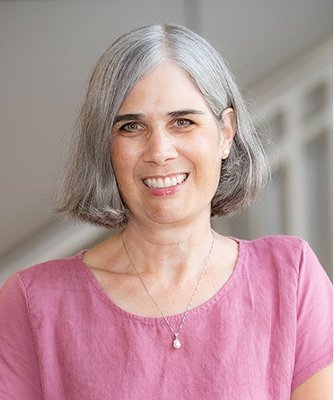
Leslie Baynes, Ph.D. | AY23-24 Fellow
Associate Professor of Religious Studies, Missouri State University
Between Interpretation and Imagination: C. S. Lewis and the Bible
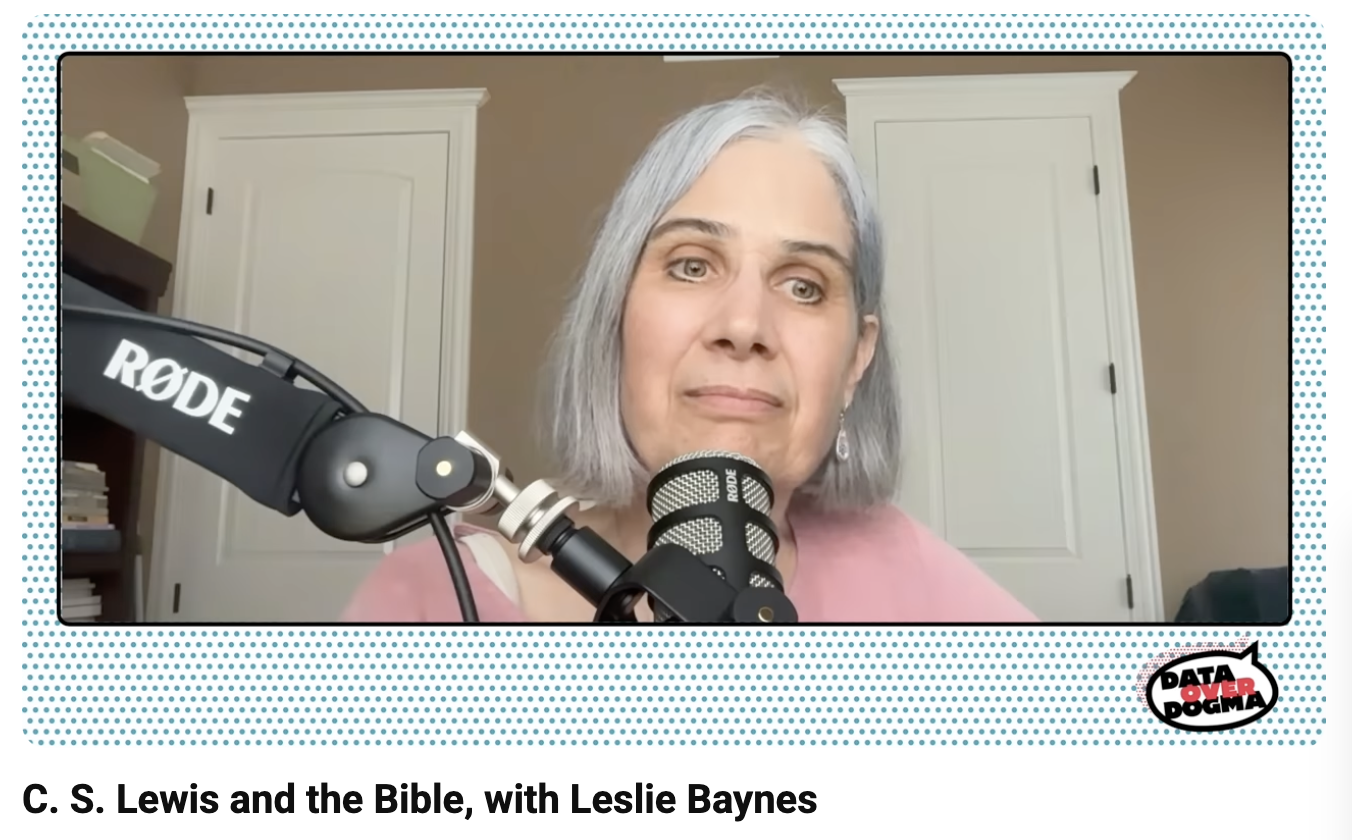
Leslie Baynes, an AY23-24 Inklings Project Fellow, was recently a guest on Data Over Dogma, a podcast that explores Bible scholarship, history, and big questions about religion—thoughtfully, rigorously, and with a conversational vibe. In this episode, they talk about C. S. Lewis’s work with the Bible. A central question in the episode is whether Lewis’s biblical reflections were grounded in strong scholarship or whether they sometimes moved beyond the evidence in more apologetic directions. One of the big takeaways is that Lewis’s influence has been so lasting because he made complex ideas feel vivid, human, and memorable.
You can listen to the episode on Apple Podcasts, YouTube, or Spotify.
Leslie Baynes is a professor of New Testament and Second Temple Judaism at Missouri State University and the author of Between Interpretation and Imagination: C. S. Lewis and the Bible. Baynes’s work brings together biblical studies, literary analysis, and intellectual history in a way that makes Lewis newly interesting both to scholars and to general readers.

Anne-Frédérique Caballero, Ph.D. | AY24-25 Fellow
Associate Professor of English, University of Picardie Jules Verne
C. S. Lewis's Lost French Doctorate
Anne-Frédérique Caballero, an AY24-25 Inklings Project Fellow, recently wrote an article on C. S. Lewis’s lost French doctorate in Sehnsucht.Read the full piece here to learn more about Lewis’s particular fame in France.
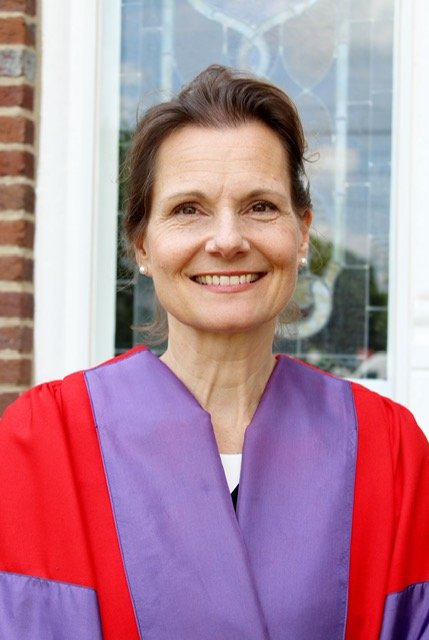
Dr. Carolyn Weber, Ph.D. | AY24-25 Fellow
Fellow, Trivium and Humanities, New College Franklin
New Book: Four Questions God Asks
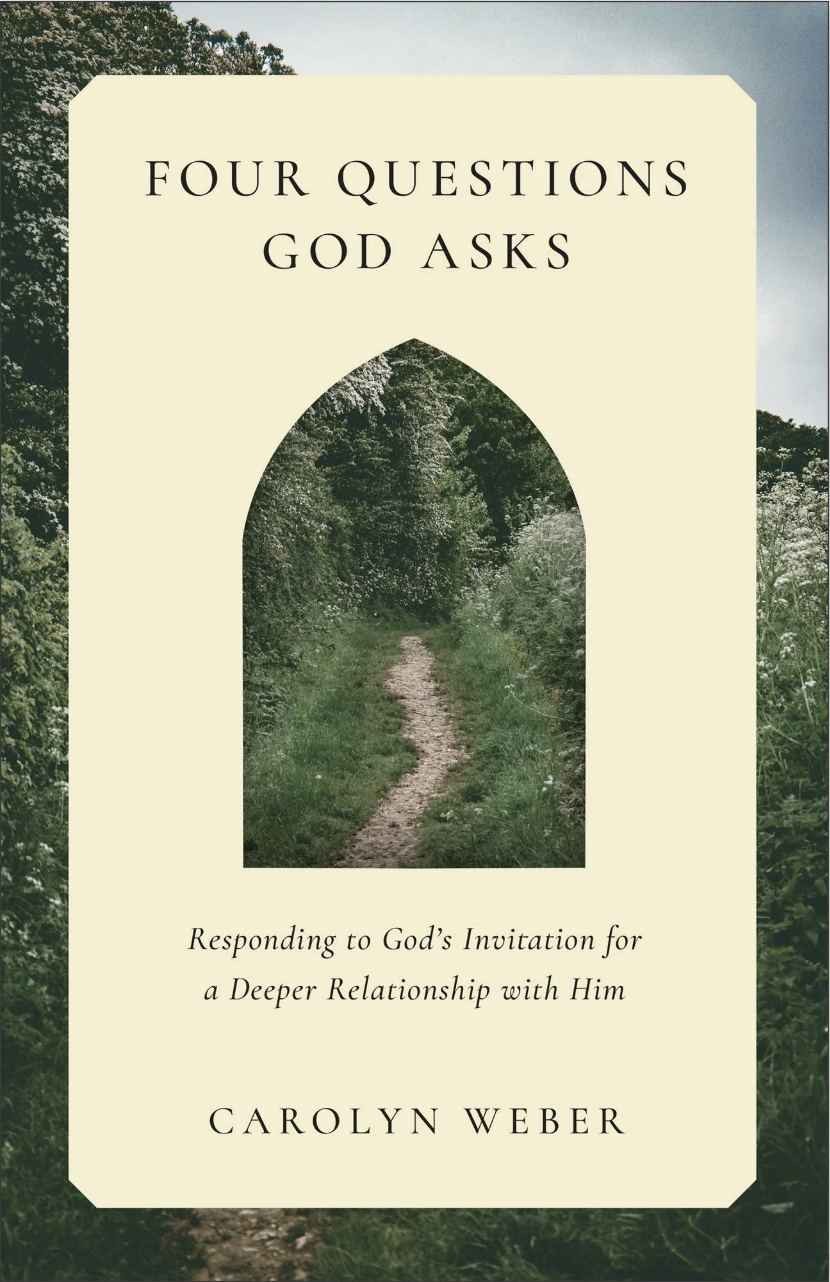
Carolyn Weber, an AY24-25 Inklings Project Fellow, has written a book entitled Four Questions God Asks that will be published this coming November.
Shaped by C. S. Lewis’s influence, with reference to the Inklings, Carolyn’s book guides the reader through four questions which God asks each individual person, and which each individual person ultimately answers. You can read more about the book or order a copy here.
Quarterly Highlights
Inspiration: “It is not our part to master all the tides of the world, but to do what is in us for the succour of those years wherein we are set, uprooting the evil in the fields that we know, so that those who live after may have clean earth to till.” – J. R. R. Tolkien, The Return of the King
Resource: In his recent encyclical Magnifica Humanitas, Pope Leo XIV refers to J. R. R. Tolkien’s articulation of our human responsibility by quoting the passage above. “Why Tolkien’s The Lord of the Rings is a Catholic Journey,” an article written by Leonard DeLorenzo, Ph.D., illustrates “four key elements of the narrative characteristic of a Catholic worldview” that can be found in The Lord of the Rings: “disarming power, abiding hope, discernment and responsibility, and elevating the weak.”
Event: The Undiscovered C. S. Lewis Conference at George Fox University is taking place September 24-27, 2026. Registration is now open!
Interested in supporting the Inklings Project?
The Inklings Project exists because of the generosity of individuals. To make a one-time or recurring donation to the Inklings Project, please visit giving.nd.edu/inklings, or call 574-631-7164.
The University of Notre Dame is a 501(c) (3) tax exempt nonprofit corporation.
For past issues of the Inklings Quarterly, visit www.inklingsproject.org/quarterly.